
Background: The harmful properties of many polycyclic aromatic hydrocarbons, their capacity to bioaccumulate, and their persistence in the environment, have contributed in making exposures to these compounds to be an issue of great public health concern. This study assessed the health risks associated with PAHs exposure from the ingestion of fish and water in Bayelsa State.
Methods: This study utilized a comparative, cross-sectional design which was conducted in Bayelsa State. It involved 615 adults to whom a food frequency questionnaire was administered to elicit necessary data. PAHs concentrations of the fish and water were also obtained. The Statistical Package for Social Sciences version 25 was used to perform both descriptive and inferential analyses.
Results: Mean incremental lifetime cancer risk associated with the ingestion of fish and water in Sampou, Gbarain and Nembe were 0.010 ± 0.0019 × 10⁻³ and 0.3452 ± 0.1357 × 10⁻³; 0.0017 ± 0.0003 × 10⁻³ and 0.0636 ± 0.0351 × 10⁻³; 0.0064 ± 0.0014 × 10⁻³ and 0.0179 ± 0.0091 × 10⁻³ respectively. The mean hazard index and benzo[a]pyrene equivalents (B[a]Peq) associated with fish and water ingestion in the communities were also computed.
Conclusion: The health of the population in Sampou was slightly at risk for developing cancers due to PAHs exposures from the drinking of water. Constant biomonitoring of environmental media is necessary for ensuring the health of a populace.
Risk assessment, Polycyclic aromatic hydrocarbons, Health, Environmental exposures
Polycyclic aromatic hydrocarbons (PAHs) are a large subset of ubiquitous organic compounds which possess the capacity to be widely distributed in terrestrial and aquatic ecosystems [1,2]. These organic compounds are environmentally persistent, hardly biodegradable, carcinogenic, mutagenic and environmentally toxic. The level of toxicity of these organic compounds is largely dependent on their molecular weight as the larger molecular weight PAHs (high MW PAHs) having four to seven aromatic rings are not acutely toxic but possess a greater capacity for carcinogenicity [3,4]. PAHs also possess the capability of causing oxidative stress alongside the sequel of cytotoxic effects [5]. Exposure in children has been linked with the manifestation of several pathological outcomes such as symptoms of asthma and poor cognitive development as well as the occurrence of lower pulmonary function and wheezing symptoms in adults [5]. For a number of years now, the problem associated with the release of polycyclic aromatic hydrocarbons (PAHs) into the environment has been worsened by a number of factors. These include increasing levels of artisanal refining activities; intense oil exploration [6,7]; the use of leaded petrol and biomass fuel; inappropriate dumping and burning of toxic waste [3,4] and so on [8-10].
Environmental exposures of organisms to PAHs can be assessed by monitoring different aspects of their environment (sediment/soil, water, and air) [11]. In a bid to determine how much of an environmental toxicant an organism is exposed to, a risk assessment becomes necessary. A risk assessment is a quantitative and qualitative evaluation of the risk posed to human health and/or the environment by the actual or potential presence and/or use of specific pollutants. It is thus an evaluation of the hazardous properties of environmental pollutants, the dose-response relationship of these pollutants and the extent of human exposure to them [12]. The assessment of risk associated with the exposure to PAHs is necessary in identifying the level of risk experienced by an exposed population. This is particularly important regarding ingested foods and water wherever environmental pollution may lead to elevated levels of impact on the food and water products. For effective assessments, maximum permissible levels of the PAHs are usually put in place by regulatory organizations to protect the health of the public [13,14]. Risk assessment of PAHs uses the results from three steps in giving the probability of the harmful effects of the PAHs in the population. These steps include hazard identification, dose-effect relationship and exposure assessment [15]. Important elements for assessing these exposures include the estimated daily intake of the compound related with ingesting foods in communities to be assessed, the non-cancer risk assessment (hazard index) as well as the cancer risk assessment (Incremental lifetime cancer risk) [16-19].
Considering the harmful properties of many polycyclic aromatic hydrocarbons, their capacity to bioaccumulate, and their persistence in the environment, extensive exposure to these compounds is of great public health concern [17,20,21]. Also, it has been documented that artisanal refining of crude oil coupled with a myriad of other activities which relate to crude oil theft have been responsible for the incessant pollution of the environment with PAH compounds especially within the Niger Delta region of Nigeria [22-25]. They have also been implicated in the occurrence of disastrous damage of the ecosystem and other components of the environment [8,22,26] as well as causing a number of health problems [27-31].
Being one of the states located within the Niger Delta region, residing in oil-producing communities of Bayelsa state could make the populace prone to various carcinogenic and non-carcinogenic risks due to exposure to PAH compounds. It is possible that the problems associated with illegal oil and gas mining activities exist in Bayelsa State [25]. This study thus set out to evaluate the health risks associated with fish or water ingestion within oil-producing Communities in Bayelsa State, Nigeria. It was anticipated that this research would enable a better understanding of the wide-ranging impacts of artisanal refining practices and can provide a guide for relevant future decisions and actions by the government. This study also provided empirical data on the health risks which the populace residing in these areas communities are exposed to whenever they eat fish or drink water obtained from within these communities.
This study utilized a comparative, cross-sectional design and was conducted in three communities in Bayelsa state. These included Ogbolomabiri in Nembe Local Government Area (LGA), which has been impacted by artisanal refining activities and Gbarain in Yenagoa LGA which has been impacted by both artisanal refining and gas flaring activities. The third community: Sampou located within the Kolokuma/Opokuma LGA was chosen to serve as a reference group because it is a community where neither artisanal refining nor gas flaring activities have been reported.
Study population: The study population included healthy persons whom had resided in the Communities for not less than a period of 2 years and were aged between 18 years and 65 years.
Sample size determination and sampling techniques: Formula for sample size for comparing two proportions was used in calculating the sample size used for this study [32]. Proportions of the attributes of interest in PAHs exposed and unexposed groups = 28.0% and 17.0% were obtained from a study that assessed petroleum contaminated water and health symptoms in a rural Nigerian community [33]. A sample size of 615 was finally obtained and was proportionately distributed across the 3 selected communities. Multistage sampling was used in the selection of the study respondents from the different Communities. The first stage was simple random sampling to randomly select wards in the Local Government Areas (LGAs) by balloting. Second stage was simple random sampling by balloting, to select communities within each selected ward. The third stage involved simple random sampling to select houses within selected communities. Each house formed a cluster, and everyone who met the inclusion criteria were recruited. Where more than one household was present in a house, simple random sampling by balloting was used to select only one household. During the course of sampling, when any respondent chose not to participate in the study, sampling was extended to compensate for that. Sampling continued until the minimum sample size was met. A food frequency questionnaire was used to elicit data on the consumption rates of fish and water for each respondent in this study. This was used in the assessment of the level of risk they were exposed to whenever they ate fish or drank water.
Formula for sample size for comparing two means was also used in calculating the sample size for environmental samples used for this study [34]. The mean and standard deviation of the attribute of interest (PAHs concentration in water) in a PAHs non-exposed group was obtained from the study by Adekunle, et al. at Ife north in Osun state [35]. Also, the mean and standard deviation of the attribute of interest (PAHs concentration in water) in a PAHs exposed group was obtained from the study conducted by Aigberuaat Imiringi in Bayelsa state [36].
Environmental monitoring of the PAHs levels of the water, soil and fish was done and PAHs levels were determined using the gas chromatography/flame ionization detector (GC/FID) method as described by [36]. Water samples were collected from five points in each study community using previously cleaned 1 litre capacity glass bottles. The geographic locations for these points (areas on the map with orange-coloured pins) in Nembe (4°N53 l 32 ll 6°E 40 l 31 ll , 4°N 52 1 95 II 6°E 39 1 82 II 4°N 53 1 04 II 6°E 39 1 26 II ), Gbarain (5°N 02 1 79 II 6°E 28 1 22 II , 5°N 01 1 05 II 6°E 29 1 28 II ) and Sampou (5°N 14 1 78 II 6 0 E 35 1 42 II , 5°N 14 1 46 II 6°E 35 1 04 II ) are shown in Figure 1.
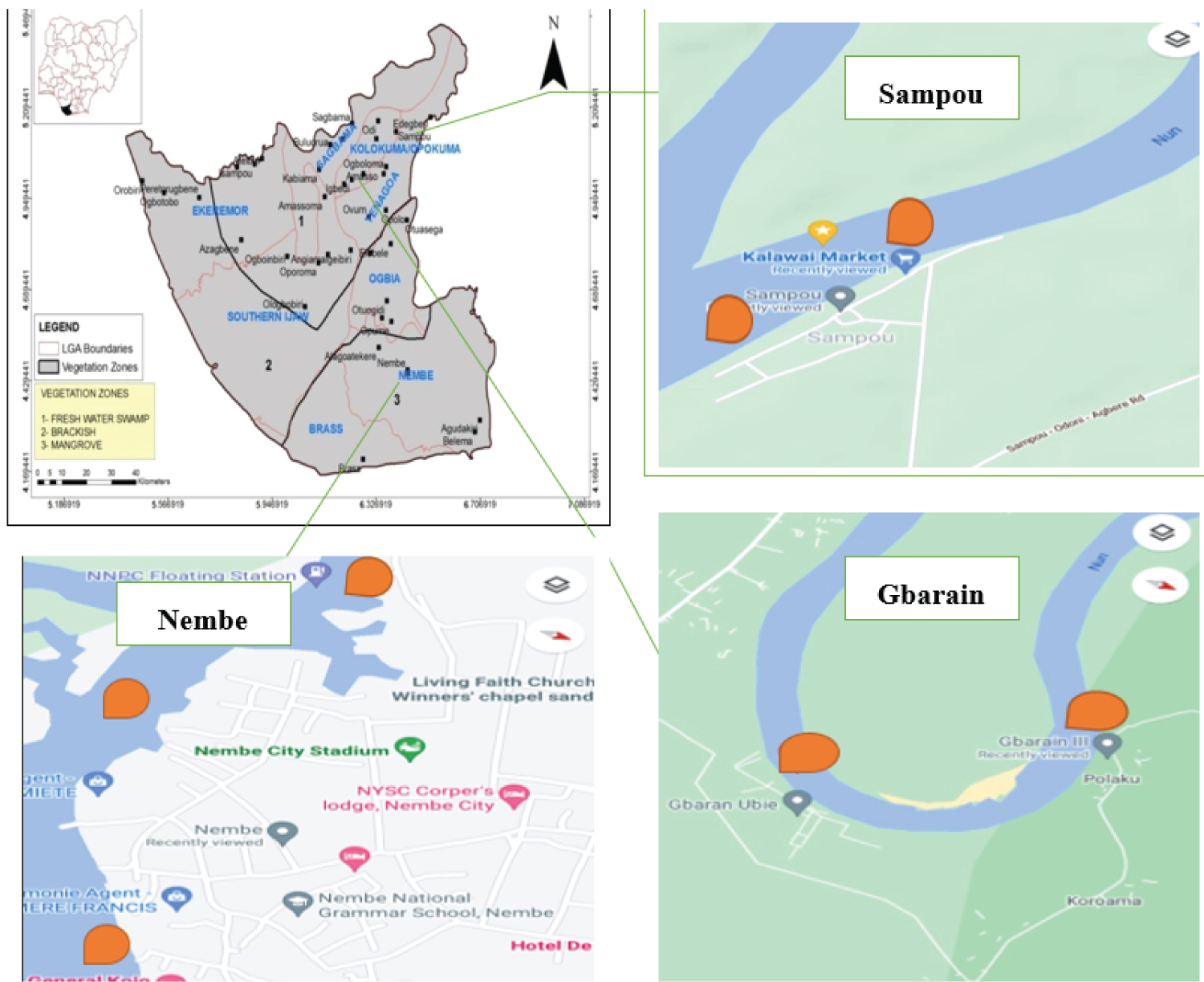 Figure 1: Geolocations of water sample collection points.
View Figure 1
Figure 1: Geolocations of water sample collection points.
View Figure 1
Five fish samples of Tilapia fish (O. niloticus) harvested at the study sites were collected from each of the three sampling sites. These samples were immediately delivered to the Analytical concepts Ltd., Elelenwo, Port Harcourt, Rivers State, Nigeria; for gas chromatographic analysis of 16 PAHs. This was done using the Gas Chromatographic System (6890 series and 6890 plus) version A.03.08 equipped with a dual detector (FID-ECD), dual column and TriPlus AS auto-sampler with helium carrier gas and a quadrupole Mass Spectrometer (Agilent 5975 MSD) based on USEPA method 8100 (US EPA, 1986).
The liquid-liquid extraction technique was applied to extract PAHs in surface water samples using the method given by the [37] with slight modification on the procedure applied in another study [38]. Firstly, the 250 mL water sample was homogenized before emptying the entire volume into a 500 mL separating funnel. Afterwards, PAHs were extracted by a three-batch extraction process using 20 mL of dichloromethane (DCM)/n-hexane (1:3 v/v) mixed solvents at each time. The sample-solvent mixture in the separating funnel was vigorously agitated with intermittent ejection of built-up pressure from the tap of glass funnel. This was done to eliminate the risk of blowing up the glass material. Thereafter, the organic extract was dehydrated by filtering through anhydrous sodium sulphate. Organic contaminants in filtered extracts were cleaned by eluting through a 10 mm I.D (internal diameter) × 250 mm long chromatographic column packed with glass wool, slurry of silica gel and anhydrous sodium sulphate. The cleaned-up extract was reconstituted to about 1.0 mL, after being concentrated on a temperature regulated water bath at 35-40 °C. Finally, sample extracts were transferred into glass vials with rubber-crimped caps. Another 250 mL portion of water sample was transferred into a separating funnel and spiked with pre-deuterated PAHs mixture (naphthalened8, phenanthrene-d10, chrysene-d12 and perylene-d12) as internal standards, to establish the efficiency of the extraction protocol. The recovery rates ranged between 92% and 107%. Exactly 20 mL of dichloromethane (DCM)/n-hexane (1:3 v/v) mixed solvents were added to the sample mixture, thoroughly mixed and kept standing to allow for adequate phase separation prior to dehydration and filtration, followed by clean-up and elution through a chromatographic column. Afterwards, the eluted extracts were concentrated to 1.0 mL volume and stored in air-tight rubber-crimp cap glass vials [36].
Exactly 1 μL portion of the reconstituted extract was injected into the gas chromatograph-flame ionization detector (GC-FID) using hypodermic syringe. Nitrogen served as the carrier gas while a combination of hydrogen and air were used to create an ionization environment at the detector head. The various fractions of the aromatic compounds were automatically detected at the FID (whose response is dependent on the composition of the eluted vapour) as they emerged from the column. Results were expressed in μg/L units. Standard pre-set operating conditions of the GC-FID were ensured [36]. The instrument conditions above are based on manufacturer recommendations and PAHs method suitability for repeatability of analytical data on the HP 6890 Plus GC-FID, version A.03.08. Quality assurance/quality control (QA/QC) parameters applied during GC-FID analysis included the spike concentration, concentration obtained, percentage recovery, limit of detection (LOD) and limit of quantification (LOQ) [36]. The surface water (SW) matrix was used to calculate extraction recovery efficiency for the different PAHs: Naphthalene (Nap), Acenaphthylene (Acy), Acenaphthene (Ace), Fluorene (Flr), Phenanthrene (Phe), Anthracene (Ant), Fluoranthene (Flt), Pyrene (Pyr), Benz (a) anthracene (BaA), Chrysene (Chr), Benzo (b) fluoranthene (BbF), Benzo (k)fluoranthene (BkF), Indeno-1,2,3-cd pyrene (IndP), and Dibenz (a,h)anthracene (DahA). The instrument limit of detection (LOD) and limit of quantification (LOQ) were also estimated and ranged between 0.001-0.04 μg/mL and 0.004-0.10 μg/mL respectively. The acceptable recovery range of the equipment was stipulated between 90 and 110% [36].
Weight of study participants was measured using the standard protocols. Using the retrieved data, the estimated daily intake of PAHs from the consumption of fish/water was calculated using the formula;
where,
EDI = Dietary dose of exposure of an individual to PAHs from fish/water per day (μg/kg/ bw/day),
C f = PAHs concentration in fish/water sample (μg/kg),
IR f = Ingestion rate of fish OR the weight of fish consumed by an average individual category (0.0548 kg) [39]. Also, an average daily consumption of 0.0548 kg/day/person (for an adult population) of fish has been proposed by the Food Agriculture Organization (FAO) data on Fishery and aquaculture statistics [40]. Water drinking frequency and quantity per day was obtained from the data of the food frequency questionnaire.
BW = Specific body weights of assessed population.
Non-cancer risk assessment: The non-carcinogenic risk was estimated by using the target hazard quotient (THQ) model. The hazard quotient (HQ) is the ratio of determined dose of a pollutant taken in per day (EDI: mg/kg/day) to a toxicological endpoint which is the oral reference dose (RfD: Reference dose considered unharmful in mg/kg/day) of that pollutant. The reference dose can be described as an estimate of a continuous exposure occurring among human populations (including sensitive sub-groups) that is likely to have the absence of appreciable risk of deleterious effects during a lifetime [16].
The HQ is estimated using the equation [17,18]:
Where:
Efr - Exposure frequency (365 days/year)
ED - Exposure duration (58 years, equivalent to average life time of a Nigerian adult)
IR - Intake rate
C - Contaminant concentration (μg/kg)
RfDo - Oral reference dose (mg/kg/day)
BW - Body weight of participant (Kg)
ATn - Average exposure time for non-carcinogen in days (Efr × ED)
10 -3 - Conversion factor.
The calculated hazard quotients for different pollutants having similar target organ effects can be summed-up to constitute what is known as the hazard index (HI).
Thus,
Where,
HI: Hazard index
HQi: Individual hazard quotients having similar target organ effects
When the HI values are lesser than one, it can be stated that the health of the exposed population is not at risk due to the consumption of fish or water from the area where they were sourced [17]. The same interpretation can be given to hazard index (HI) values that are lesser than one [16,19].
Cancer risk assessment: The Incremental lifetime cancer risk [ILCR]) was estimated by the multiplication of the pollutant oral slope factor (SF) with the estimated daily intake (EDI) or daily exposure doses averaged over a life time. Therefore, the PAHs Cancer Risk (CR) for ingestion of water or fish can be estimated using the following equation [41]:
Where,
ILCR = Incremental lifetime cancer risk (ILCR) (in mg/kg/ bw/day),
EDI = Dietary exposure of an individual to PAHs per day (μg/kg/ bw/day),
SF = oral slope factor (in mg of pollutant per kg of body weight) every day for a lifetime.
CF is the conversion factor: 1 × 10 -3
The United States Environmental Protection Agency (USEPA) has stated that when the level of carcinogenic health risk is at 10 -6 for a pollutant, it will result in a relatively negligible cancer risk.
Benzo[a]pyrene equivalent (B[a]Peq) estimation: Considering that benzo[a]pyrene (B[a]P) is considered the most potent carcinogenic PAH, the total PAHs concentration is usually expressed as B[a]P equivalents (B[a]Peq) to illustrate the toxic potency [17]. The B[a]Peq can be calculated as the sum of the B[a]Peqi values for individual PAHs. Each B[a]Peqi value can be calculated for each PAHs using its concentration in the sample (cPAHi) multiplied by its toxic equivalency factor (TEFPAHi). When the B[a]Peq value lies below the estimated screening value (SV) of 3.556 mg/kg, it is generally considered that ingesting food or water polluted by PAHs in the affected area does not pose a cancer risk to the health of the inhabitants of the communities [18,39]. The following formula can be used in calculating the benzo[a]pyrene equivalent [17].
The Statistical Package for Social Sciences (SPSS) version 25 (IBM, Armonk, New York, USA) was used to perform both descriptive and inferential analyses. The One-way Analysis of variance (ANOVA) was used to compare the concentrations of PAHs, the Estimated Daily Intake (EDI) of fish and water, the Hazard Index (HI) related with fish and water ingestion among the three communities and the incremental lifetime cancer risk (ILCR) related with fish and water ingestion among the three communities. All analysis were conducted at the 95% confidence level and p-value ≤ 0.05 was considered as being statistically significant.
Ethics approval for the research was obtained from the Research Ethics Committee of the University of Port Harcourt (Approval number: UPH/CEREMAD/REC/MM72/097). Permission to conduct the research was also obtained from the Bayelsa State Ministry of Health (Approval number: BSHREC/Vol. 1/21/02). Permission to conduct this study was also sought from necessary authorities of the Communities involved. Every part of the research protocol was explained to the respondents and their consent sought before commencement of instrument administration and health assessment. In the course of collection of samples from the environment, it was ensured that the appropriate techniques were applied and that no harm came to the environment in the course of doing so.
Out of the 615 respondents who took part in this study, 205 of them were selected from each community. It was found that the majority of the respondents were male 318 (51.7%) and majority of the respondents were aged between 18 and 44 years 490 (82.9%) with a mean age of 32.77 ± 11.13 years. The largest proportion of the respondents had an income of less than 500 naira per day 234 (38.6%), were single 281 (45.7%) and were self-employed 290 (47.2%). Most of the respondents had received secondary school education 319 (52.3%). These details are shown in Table 1.
Table 1: Demographic data of respondents. View Table 1
Assessment of the concentrations of the 16-priority PAHs in the fish obtained from the three study locations showed that the mean concentration in the samples obtained from Sampou (control group) was 5.62 ± 5.92 µg/kg with ƩPAHs of 95.43 µg/kg (highest among the 3 communities) and the PAH4 index of the samples was also found to be 22.17 µg/kg. The mean concentration in fish samples obtained from Gbarain was 3.81 ± 5.57 µg/kg with ƩPAHs of 64.75 µg/kg and the PAH4 index of the samples was found to be 11.06 µg/kg. Finally, the mean concentration in fish samples obtained from Nembe was 4.61 ± 5.33 µg/kg with ƩPAHs of 78.35 µg/kg and the PAH4 index of the samples was found to be 24.39 µg/kg (highest among the 3 communities. These are shown in Table 2.
Table 2: Mean and total concentrations of PAHs from fish. View Table 2
In fish samples obtained from Sampou, mean concentration of non-carcinogenic PAHs was found to be 4.17 ± 6.91 µg/kg with non-carcinogenic ƩPAHs of 29.16 µg/kg accounting for 30.56% of ƩPAHs. In samples obtained from Gbarain, mean concentration of non-carcinogenic PAHs was found to be 4.09 ± 8.61 µg/kg with non-carcinogenic ƩPAHs of 28.65 µg/kg accounting for 44.25% of ƩPAHs. In samples obtained from Nembe, mean concentration of non-carcinogenic PAHs was found to be 1.84 ± 2.29 µg/kg with non-carcinogenic ƩPAHs of 12.85 µg/kg accounting for 16.40% of ƩPAHs. These are shown in Table 3.
Table 3: Mean and total concentrations of carcinogenic and non-carcinogenic PAHs in fish. View Table 3
Assessment of the concentrations of the 16-priority PAHs in water obtained from the three study locations showed that the mean concentration in the samples obtained from Sampou (control group) was 3.50 ± 4.51 µg/l with ƩPAHs of 59.59 µg/l and the PAH4 index of the samples was found to be 9.32 µg/l (highest among the 3 communities). The mean concentration in water samples obtained from Gbarain was 1.76 ± 4.35 µg/l with ƩPAHs of 29.87 µg/l and the PAH4 index of the samples was found to be 2.03 µg/l. Finally, the mean concentration in water samples obtained from Nembe was 1.90 ± 4.20 µg/l with ƩPAHs of 32.25 µg/l and the PAH4 index of the samples was found to be 1.66 µg/l. These are shown in Table 4.
Table 4: Mean and total concentrations of PAHs from water. View Table 4
In water samples obtained from Sampou, mean concentration of non-carcinogenic PAHs was found to be 1.57 ± 2.10 µg/l with non-carcinogenic ƩPAHs of 10.99 µg/l accounting for 18.44% of ƩPAHs. In samples obtained from Gbarain, mean concentration of non-carcinogenic PAHs was found to be 0.27 ± 0.36 µg/l with non-carcinogenic ƩPAHs of 1.90 µg/l accounting for 6.36% of ƩPAHs. In samples obtained from Nembe, mean concentration of non-carcinogenic PAHs was found to be 0.80 ± 1.80 µg/l with non-carcinogenic ƩPAHs of 5.53 µg/l accounting for 17.15% of ƩPAHs. This is shown in Table 5.
Table 5: Mean and total concentrations of carcinogenic and non-carcinogenic PAHs in water. View Table 5
Assessment of the Estimated Daily Intake (EDI) of PAHs in fish in this study showed that at Sampou the EDI for consumption of fish was highest for acenaphthylene 0.016 ± 0.003 μg/kg/bw/day. Similarly, at Gbarain, the EDI for consumption of fish was highest for acenaphthylene 0.019 ± 0.003 μg/kg/bw/day. From Nembe, the EDI for consumption of fish was highest for pyrene 0.016 ± 0.003 μg/kg/bw/day. The difference in the mean EDI values for fish ingestion among the communities was not statistically significant. This data is shown in Table 6.
Table 6: Estimated Daily intake (EDI) of PAHs via fish ingestion. View Table 6
Assessment of the Estimated Daily Intake (EDI) of PAHs in water in this study showed that at Sampou the EDI for ingestion of water was highest for indeno-1,2,3-(cd)pyrene 1.165 ± 0.458 μg/litre/bw/day. Similarly, at Gbarain the EDI for ingestion of water was highest for indeno-1,2,3-(cd)pyrene 0.936 ± 0.517 μg/litre/bw/day and from Nembe, the EDI for ingestion of water was highest for benzo (g,h,i) perylene 0.977 ± 0.499 μg/litre/bw/day. The difference in the mean EDI values for water ingestion among the communities was however statistically significant. This data is shown in Table 7.
Table 7: Estimated Daily intake (EDI) of PAHs via water ingestion. View Table 7
Evaluation of the non-carcinogenic risk of ingesting fish in the studied communities was done using the hazard index. The hazard quotient of each PAH that had a corresponding oral reference dose was first obtained by dividing the estimated daily intake of the PAHs by their respective oral reference doses. The hazard index (summation of the hazard quotients of the individual PAHs) showed that the mean HI associated with consumption of fish polluted by PAHs in Sampou, Gbarain and Nembe were 0.0046 ± 0.0009, 0.0009 ± 0.0002 and 0.0028 ± 0.0006, respectively. The difference in the mean HI values for fish consumption among the communities were not statistically significant (Kruskal Wallis: 0.578; p-value: 0.749). This data is shown in Figure 2.
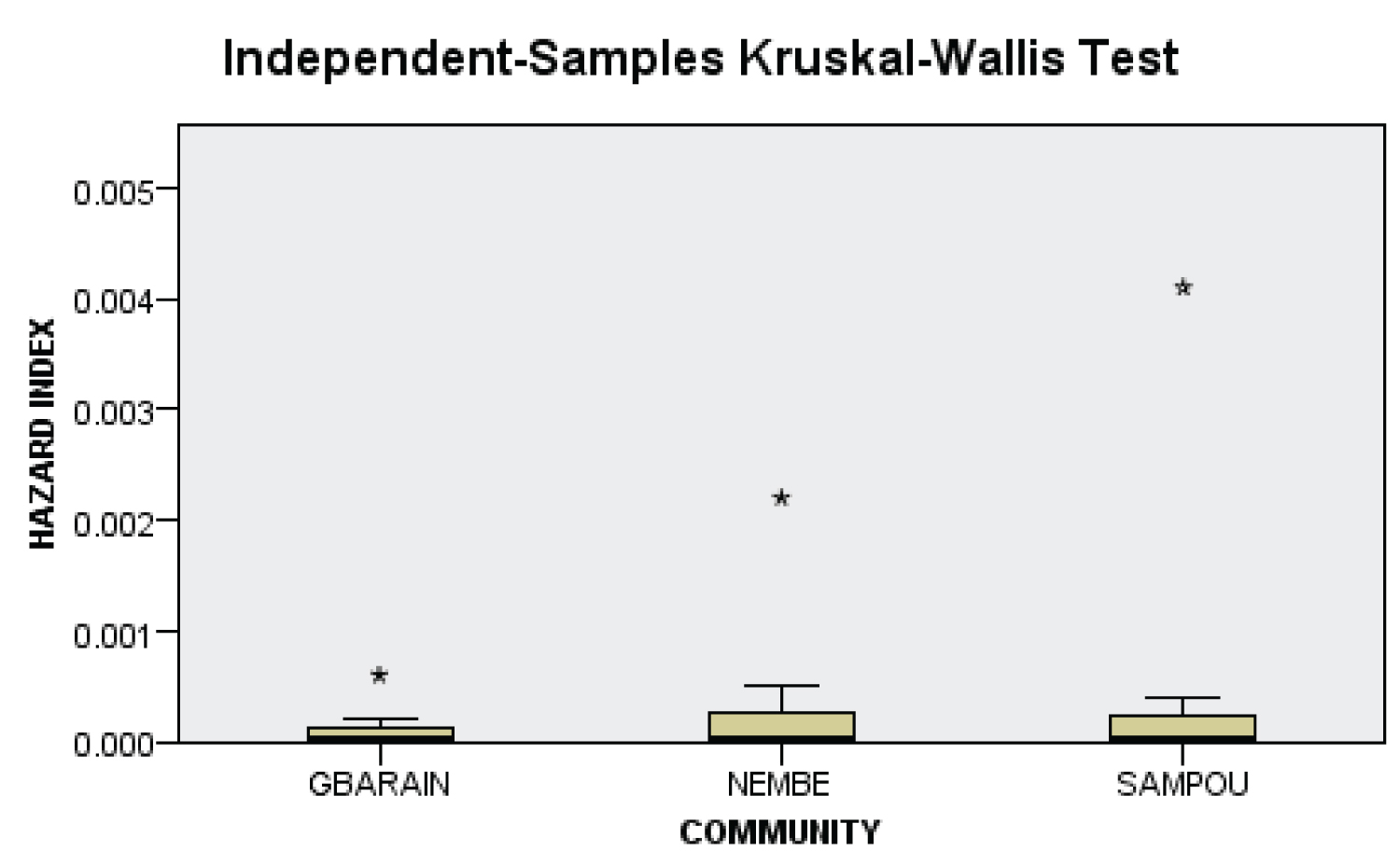 Figure 2: Comparison of HI for eating fish in the three communities.
View Figure 2
Figure 2: Comparison of HI for eating fish in the three communities.
View Figure 2
Evaluation of the non-carcinogenic risk of ingesting water in the studied communities was also done using the hazard index. The hazard index (summation of the hazard quotients of the individual PAHs) showed that the mean HI associated with drinking water polluted by PAHs in Sampou, Gbarain and Nembe were 0.1200 ± 0.0472, 0.0292 ± 0.0162 and 0.0087 ± 0.0045, respectively. The differences in the mean HI values for fish consumption among the three communities were not statistically significant (Kruskal Wallis: 4.883; p-value: 0.087). This data is shown in Figure 3.
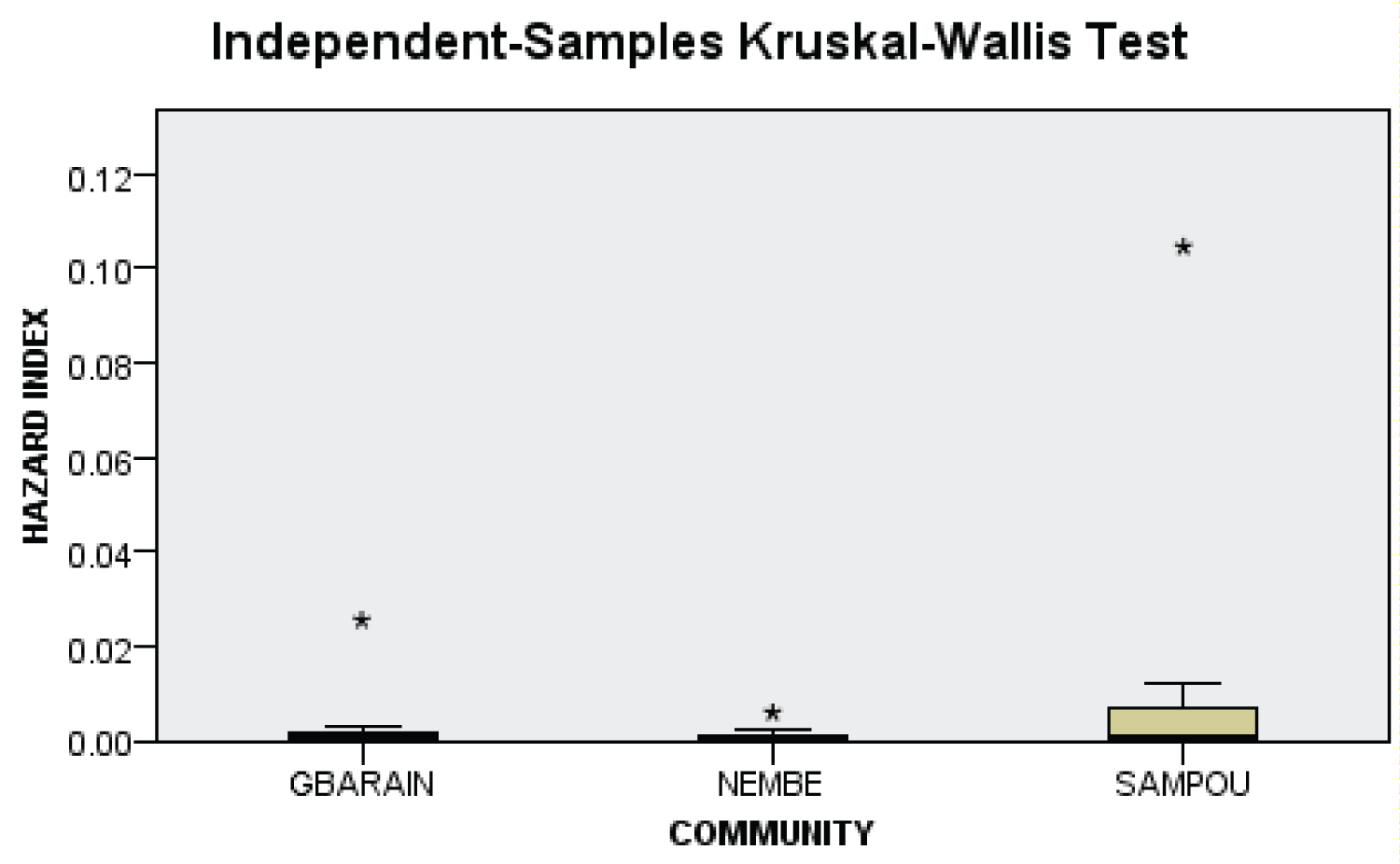 Figure 3: Comparison of HI for drinking water in the three communities.
View Figure 3
Figure 3: Comparison of HI for drinking water in the three communities.
View Figure 3
Estimation of the incremental lifetime cancer risk (ILCR) associated with ingesting fish or water polluted with PAHs in this study (using their respective slope factors) showed that the mean ILCR values associated with the consumption of fish polluted by PAHs in Sampou, Gbarain and Nembe were 0.010 ± 0.0019 × 10 -3 , 0.0017 ± 0.0003 × 10 -3 and 0.0064 ± 0.0014 × 10 -3 respectively. Also, mean ILCR values associated with the consumption of water polluted by PAHs in Sampou, Gbarain and Nembe were 0.3452 ± 0.1357 × 10 -3 , 0.0636 ± 0.0351 × 10 -3 and 0.0179 ± 0.0091 × 10 -3 respectively. None of the differences in the mean ILCR among the communities was statistically significant. These data are shown in Table 8.
Table 8: Incremental lifetime cancer risk (ILCR) associated with fish and water consumption. View Table 8
Estimation of the benzo[a]pyrene equivalent of the PAHs done by multiplying the individual PAHs concentrations with their Toxic Equivalency Factor (TEF) for the 3 study communities showed that the ΣB[a]Peq for the consumption of fish in Sampou, Gbarain and Nembe communities were 28.581, 18.091 and 19.005 respectively. Also, the ΣB[a]Peq for the ingestion of water in Sampou, Gbarain and Nembe communities were 24.644, 11.981 and 4.067 respectively. This is shown in Table 9.
Table 9: Benzo[a]pyrene equivalent (B[a]Peq) estimation associated with fish and water. View Table 9
Evaluation of the hazard index (HI) which is also known as the non-carcinogenic risk posed by exposure to the PAHs in this study showed that the mean HI associated with the consumption of fish and water polluted by PAHs in Sampou, Gbarain and Nembe communities were less than one. This shows that the health of the exposed populations was not at risk due to the consumption of fish and drinking of water from these communities. This finding is in agreement with the findings of the study conducted in China that assessed human and ecological risk of 16 PAHs from a reservoir source of drinking water with a possible PAHs contamination from activities relating to crude oil [41]. In the present study, it was also found that carcinogenic PAHs were major constituents in water in communities where artisanal refining and gas flaring activities were practiced; as well as major constituents in fish for the community where only artisanal refining was known to be practiced. Benzo(a)pyrene concentration values in water in this study were found to be high in all three communities when compared with the concentration limit of 0.1 μg/l [41]. Considering that benzo(a)pyrene is one of the most carcinogenic PAHs and generally used as an exposure marker for risk assessments, the risk of exposure to its carcinogenic effects can be said to be elevated [42]. However, estimation of the benzo[a]pyrene equivalent of the PAHs which is a measure of the carcinogenic potency after exposure to the PAHs for the 3 study communities showed that the ΣB[a]Peq for the consumption of fish in Sampou, Gbarain and Nembe communities were 28.581 μg/kg, 18.091 μg/kg and 19.005 μg/kg respectively. Also, the ΣB[a]Peq for the ingestion of water in the 3 communities were 24.644 μg/kg, 11.981 μg/kg and 4.067 μg/kg respectively. These values suggest that the ingestion of the water or fish obtained from these communities does not pose a risk to the health of the inhabitants of the communities considering that they lie below the estimated screening value (SV) of 3.556 mg/kg [39,18]. This is further buttressed by the PAH4 index (which has been described as the level that can serve as a marker for carcinogenic PAHs in food) for both water and fish consumed in these communities which were below the benchmark dose concentration of 0.34 mg/kg/b.w. per day [43].
Estimation of the incremental lifetime cancer risk (ILCR) in this study however showed that most of the mean ILCR values associated with the consumption of fish and water polluted by PAHs in the 3 studied communities were within the normal limits which would pose no carcinogenic health risk (between 1 × 10 -4 and 1 × 10 -6 ) [17,18] to dwellers in these communities. This is also in agreement with the study conducted to assess human and ecological risk associated with drinking water from a reservoir in which the values of ILCR through both ingestion and dermal adsorption were all less than 1 × 10 -4 except for Chrysene [44]. The only ILCR that was slightly elevated in the present study was related with drinking water from Sampou (the control community): 3.452 ± 0.1357 × 10 -4 which is in agreement with reports of increased cancer risk resulting from the ingestion of contaminated sea food with the resultant occurrence of varying susceptibilities [36]. This slightly elevated ILCR occurring in the control community and not in the test communities is however contrary to expectations considering that oil and gas activities are non-existent in the community. A possible explanation for this finding could be the location of the control community. Although, being one of the northern-most communities in Bayelsa state, it is shares boundaries with surrounding oil-producing communities in Rivers and Delta states. This means that Sampou community is located downstream in relation to these other communities where oil and gas activities are existent, thus polluting the river water flowing through Sampou and exposing the residents to PAHs [45-47].
The occurrence of potential adverse effects caused by PAHs that do not have reference values have also been reported to be a possibility for having the increased cancer risk in Sampou community [44]. Co-toxicity as a result of different pollutants is also another possibility which can arise from a variety of interactions either directly among the co-occurring pollutants or indirectly through the effect posed by one pollutant on the different processes involved in the transport, metabolism and detoxification of the co-occurring pollutant(s) within life forms [17,18]. The implication of the finding of absent non-cancer and cancer-risks related with ingesting fish and water in this study is that despite the various oil and gas activities that are going on within various parts of Bayelsa state in Nigeria, the health of the residents of involved communities are faced with negligible to no risk. This notwithstanding, it should be noted that the HI parameter does not estimate the risks; it is a proxy indicator of the risk level associated with pollutants exposure [17,18]. It should not be forgotten that PAHs have the capacity to travel long distances and that other harmful pollutants are released into the environment during oil and gas related activities. It is thus necessary that regulations for ensuring environmental safety be adhered to during the conduct of these activities within the oil-rich region of the Niger Delta. Furthermore, illicit activities such as artisanal refining which result in crude oil spillage should be prohibited because apart from environmental pollution problems, occupational exposures during such activities could result in the occurrence of more acute health problems for the artisanal refiners [11,48-50].
The health of the exposed populations was not at risk due to PAHs exposure from the consumption of fish and drinking water from these communities although the ILCR associated with drinking water in Sampou was slightly elevated. Recommendations included ensuring constant environmental monitoring of water, fish and other environmental media so as to ensure that exposures and associated health risks are kept as minimal as possible. Also, PAHs pollution from other known sources should be minimized as much as possible through the use of more environmentally-safe methods for cooking and waste management.
Alongside utilizing a food frequency questionnaire to assess the risk which the respondents were exposed to by drinking water and eating fish from the study communities, it would have been ideal to evaluate concentrations of PAHs markers in study respondents. This could however not be achieved in the present study due to limited resources as at the time of conducting the research.
This work was partly supported by the World Bank Group, Zeelicious foods and FeyiKola foundation.
All authors listed above contributed equally in the conduct of this research and the development of this manuscript. All authors have read through and agree with the findings in this manuscript.