
Background and Hypothesis: Although we know that tobacco product exposure is associated with many viral or bacterial infections, its specific association with human cytomegalovirus (CMV) remains to be adequately demonstrated. We hypothesized that tobacco product/e-cigarette exposure would be positively correlated with CMV seropositivity among young children 3 to 5 years.
Methods: We used the Centers for Disease Control and Prevention National Health and Nutrition Examination Survey pre-COVID-19 2017-March 2020 dataset for our analyses. Inclusion criteria consisted of children less than 6 years with data available on secondhand smoke exposure, cotinine levels, and CMV IgG. We analyzed data using the SPSS software (version 29) with appropriate weighting because of the complex data collection procedures. The results of the multiple logistic regression analysis was based mainly on results of the serum cotinine levels. A P value of < 0.05 was used as a test of significance.
Results: Only 519 children 3 to 5 years met the inclusion criteria. The prevalence of tobacco product exposure as measured by self-report alone was 33.5% while the prevalence was 48.5% when exposure was objectively measured by serum cotinine levels. Only 3.7% of household members used e-cigarettes. In the univariate analysis, when secondhand smoke (as measured by self-report) was used, the CMV seroprevalence was 34.3% (95% CI = 28.1%-41.0%) among the unexposed as compared to 24.3% (95% CI = 17.1%-34.4%) among the exposed (P = 0.043). When cotinine levels were used instead, the overall CMV seroprevalence among those exposed to tobacco products, was 25.3% (as compared to 37.4% for their unexposed counterparts (p = 0.015). Other sociodemographic variables predictive of CMV were VLBW, breastfeeding, age of the child, and race. The main predictor variable in the multiple regression analysis was serum cotinine. Sociodemographic variable controlled included Age of child, very low birthweight, race, and breastfeeding. When we controlled for these various potential confounding variables without including breastfeeding, CMV seroprevalence was lower among exposed children than among the unexposed (OR: 0.59; 95% CI = 0.38-0.92, P = 0.022). However, when we included breastfeeding in the regression analysis, the association between cotinine levels and CMV was no longer significant, although the trend was still toward significance (OR: 0.67; 95% CI = 0.44-1.022, P = 0.062).
Conclusion: Exposure to tobacco smoke or e-cigarette products was not associated with increased CMV seroprevalence. This finding was contrary to our hypothesis. More studies are needed to confirm the association between tobacco products exposure and CMV seroprevalence in young children.
Cotinine, CMV, Tobacco Product Exposure, Young children, Epidemiology
Tobacco smoke/vaping has been shown to be associated with various bacterial and viral infections [1-5]. More recently, e-cigarette /vaping has also been shown to be associated with Covid-19 infections [6,7]. The mechanisms by which tobacco products cause these infections have generally been attributed to immune suppression or immune modulation by the various constituents in tobacco smoke [8-11].
However, the role of environmental tobacco smoke and/e-cigarette exposure on CMV infections has not been well studied. Globally cytomegalovirus (CMV) is one of the most prevalent causes of perinatal and early infections in children, [12] resulting in numerous complications in the central nervous system, gastrointestinal system, [13] and cardiovascular system [14]. In the United States about 30% of young children less than 6 years of age are CMV seropositive [15-18]. Risk factors for CMV seroprevalence in young children have been previously described, including low gestational age [19], low birthweight, [20], maternal age [12,21], daycare attendance [22-25], number of people in the home, and poverty index [26], and race/ethnicity [27]. More especially, breastfed children are more likely to acquire early-life infections and hence be CMV seropositive in early childhood, than are formula-fed children [28-33].
Surprisingly, the impact of smoking and/or vaping exposure during pregnancy or post-delivery on CMV seroprevalence among young children has not been previously studied. To our knowledge, no studies have shown any correlation between tobacco product exposures with CMV infection in young children, even though tobacco product exposure has been previously shown to be predictive of viral and bacterial infections [1-7].
The present study, therefore, hypothesized that tobacco smoke and and /or E-cigarette exposure, as measured by history and objectively confirmed by serum cotinine levels, would also be predictive of increased CMV seroprevalence in young children.
This was a population-based cross-sectional design. We used the NHANES pre-COVID-19 2017-March 2020 dataset. The NHANES data is representative of all 50 US states and the District of Columbia. This ongoing two-yearly data collection process employs a complex multistage stratified sampling technique wherein some population subgroups are oversampled for accurate population estimates for these subgroups [34]. The complex design was previously proposed by Morris and Hurwitz in their classic 1943 publication [35]. Participants were surveyed in-person for elements of various sociodemographic information. Further, a one-time health examination follow-up was conducted at a specialized medical examination center (MEC) where specific laboratory tests were also conducted. The NHANES data are usually collected in separated batches and uploaded into the web after deidentification by the CDC. Data containing demographics, laboratory tests on CMV IgG, and cotinine levels were merged into one file prior to analysis.
Consent was obtained from the parents of all participants. The Centers for Disease Control and Prevention/National Center for Health Statistics Research Ethics Review Board approved the study. Deidentified datasets by the CDC were then released into the web free of charge for scientists to download and do research on.
Secondhand tobacco smoke was measured by the question “How many people living in this household smoke?” Answers ranged from 0 to 3+” Respondents also answered “Yes” or “No” to the question “Did mother smoke when pregnant?” Tobacco smoke and/or E-cigarette exposure was objectively measured by serum cotinine levels using an isotope-dilution high-performance liquid chromatography/atmospheric pressure chemical ionization tandem mass spectrometric method [36,37].Measurement by self-report alone usually results in a lot of missing and/or inaccurate information, whereas cotinine measurement has been shown to be one of the most accurate ways to objectively determine exposure status to tobacco products since these products (including e-cigarettes) all contain nicotine, which is subsequently metabolized to cotinine in vivo. We defined cotinine levels as follows: < 0.05 ng/mL (no exposure), ≥ 0.05 ng/mL (exposed). We further defined passive tobacco exposure as cotinine level >= 0.05- <= 10) while active smoking was defined as cotinine levels >= 10 ng/mL [37]. Because of the positive skewedness of serum cotinine levels, we categorized levels into quartiles to further determine the impact of the various cotinine levels on CMV seroprevalence. CMV serostatus was determined using the VIDAS enzyme-linked fluorescent immunoassay for IgG [38].Analyses in this study only included positive or negative IgG determinations.
As garnered from the literature, maternal factors explored in this study were race/ethnicity [15], age when child was born [8,9], and poverty index [14]. Childhood factors explored were age [3], breastfeeding [16-20], birth weight and/or gestational age [6,7,27], and daycare [10-13].
The primary outcome (dependent) variable of interest was CMV IgG seroprevalence. The primary independent variable of interest was exposure to e-cigarette use and/or tobacco products as measured first by history of secondhand smoke and second as objectively measured by serum cotinine levels. Because we wanted to determine the true relationship between tobacco product exposures to CMV seroprevalence, we used only the sample of children whose serum cotinine levels, and IgG tests were available. However, cotinine levels were only available for 519 children 3 to 5 years (Figure 1). Of this sample, data on secondhand smoke (SHS) and/or vaping exposure was only available for 494 children 3 to 5 years. During the multiple regression analysis, we only used data with complete information on CMV IgG status and serum cotinine levels (Figure 1).
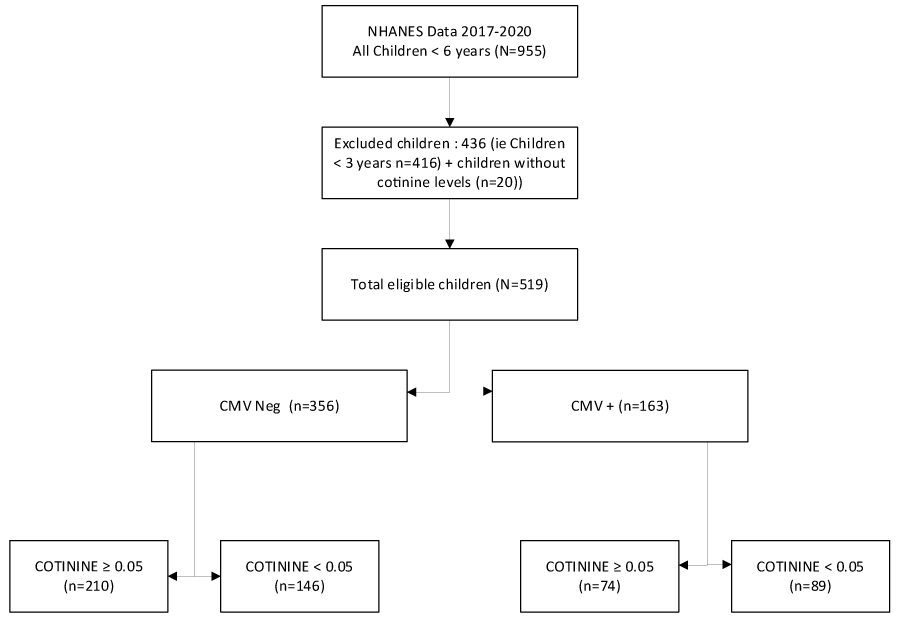 Figure 1: Flow chart of the selection criteria.
There were 955 children 1-5 years in the NHANES 2017-2020 Dataset. We excluded those < 3 years (n = 416) because the research team did not measure cotinine levels in that age group. We also excluded those who were above 3 years but without cotinine levels (n = 20) leaving a total of 519 eligible children that we included in the analysis. About 1/3 of the sample was CMV+ve.
View Figure 1
Because of the complex sampling procedure of the data collection as described above, we appropriately weighted the results in the data analysis in all cases. The SPSS software (version 29) was used in the analyses. All variables significantly associated with CMV seroprevalence in the univariate analysis were subsequently included in the multiple logistic regression analysis to determine if they were still predictive of CMV seroprevalence after controlling for all the other variables in the model. The level of statistically significance was set at P < 0.05.
The prevalence SHS (as measured by self-report) was 33.5 %. The prevalence of people vaping in the household was 3.7% while the prevalence of tobacco product exposure as measured by cotinine levels was 48.5% (Table 1). Smoking during pregnancy was not predictive of CMV seroprevalence (P = 0.510). Contrary to our hypothesis, CMV seroprevalence was higher among children unexposed to smokers in the home (34.3%) as compared to their exposed counterparts (24.8%; P = 0.043). CMV seroprevalence also tended to decrease with the number of smokers in the home, with the proportion of CMV +ve highest among unexposed children (34.3%) and lowest among children living with two or more smokers (18.1%; P <= 0.073) (Table 1).
Table 1: The prevalence of tobacco product exposure among children 3 to 5 years. View Table 1
Using the more objective determination of tobacco product exposure by serum cotinine, CMV seroprevalence was higher among children with cotinine levels in the unexposed group (< 0.05 ng/mL, 37%) as compared to those exposed (>= 0.05; 25.3%; P = 0.015). To further explore how tobacco smoke /vaping impacted CMV seroprevalence, cotinine levels were grouped into quartiles because of the positively skewed distribution of this toxin in humans. CMV seroprevalence increased transiently from the first quartile (32%) to the 2 nd quartile (41%), followed by an unexpected but dramatic drop from 32% in the 3 rd quartile to 18% in the 4 th quartile (Table 2 and Figure 2).
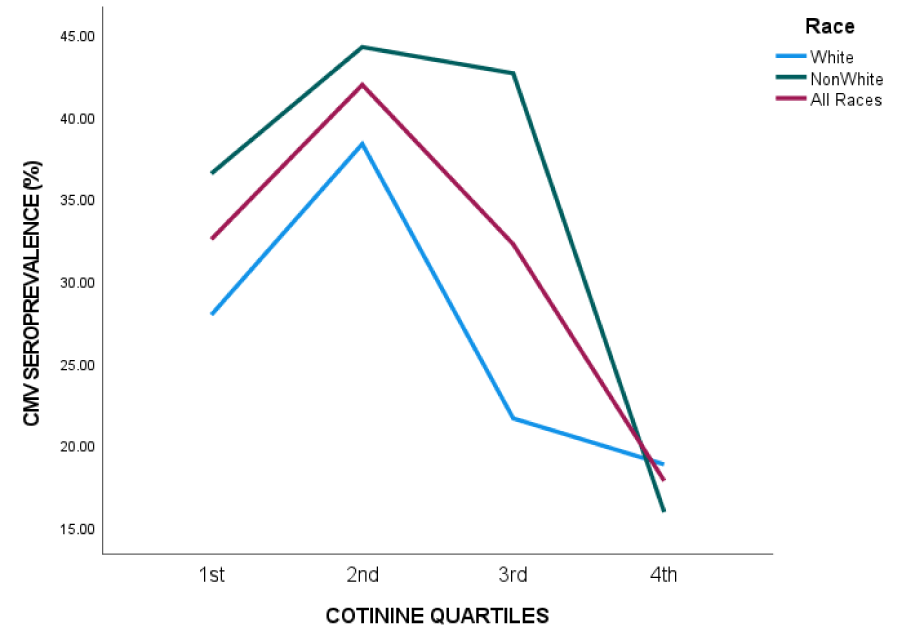 Figure 2: CMV seroprevalence by cotinine quartiles.
The Figure further illustrates the distribution of CMV prevalence rates by race and by quartiles of cotinine levels. In general, for all races, there was a transient rise in the prevalence of CMV seropositivity from the 1st quartile of cotinine levels to the 2nd quartile, followed by a dramatic and sustained drop from the 2nd to the 4th quartiles of cotinine levels.
View Figure 2
Table 2: CMV Seroprevalence by selected socio-demographics among children 3-5 years in the US About 1/3 of children in the study group were +ve for CMV. The highest prevalence rates were among children breastfed and the very low birthweight (P < 0.001). Marginally associated variables were age of the child and race. View Table 2
We also explored eight other socio-demographic variables in the univariate analysis to determine which variables were associated with CMV seroprevalence. CMV seroprevalence was higher among breastfed children (34.9%) as compared to their non-breastfed counterparts (15.4%, P < 0.001). Furthermore, extremely low birth weight (< 1,500 g) children were more likely to be CMV positive (66%) than their heavier counterparts (30%; P < 0.0.001). Only two other sociodemographic variables were associated with CMV seroprevalence viz, race and age of the child. Nonwhite children (36.7%) were more likely to be CMV seropositive than their White counterparts (26%, P = 0.047). Further, children above 4 years were more likely to be seropositive than those less than 4 years (respectively 36% vs 23%, P = 0.049, Table 2) (Table 3).
Table 3: CMV seroprevalence by type of tobacco smoke exposure among children 3-5 years. View Table 3
In a weighted multiple regression analysis, we further determined whether cotinine levels were still independently predictive of CMV seroprevalence after controlling for breastfeeding, race, and age of child. There was no collinearity among the various explored. Exposure to tobacco products were now no longer significantly predictive of CMV seroprevalence although, the trend was towards significance (OR = 0.67; 95% CI = 0.44-1.02, P = 0.062; Table 3), after controlling for the other significant variables in the model. Interestingly, when we left the variable breastfeeding out of the analysis, cotinine levels were now significantly more predictive of decreased CMV seroprevalence (OR = 0.59; 95% CI = 0.38-0.92, P = 0.022; Table 4). We particularly interested in determining if there was interaction between breastfeeding and tobacco exposure because there opposite impact of CMV seroprevalence. However, there was no interactive effect between these two variables on CMV seroprevalence. Furthermore, there was no collinearity between the variables explored in regression analysis as the variance inflation factors (VIFs) of all the variables were less than 2 (Table 4 and Table 5).
Table 4: Final model of multiple logistic regression of factors associated with CMV seroprevalence in children 3-5 years of age in the USA. View Table 4
Table 5: Final model of multiple logistic regression (Breastfeeding excluded) of factors associated with CMV seroprevalence in children 3-5 years of age in the USA. View Table 5
Three important findings emerge from this study. Firstly, we confirmed four traditional predictors of CMV seroprevalence with breastfeeding as the principal predictor of increased CMV seroprevalence among young children. Secondly, even though there was a higher prevalence of tobacco product exposure when measured by cotinine (~50%) as compared to exposure when measured by history alone (~36%), the CMV seroprevalence was strikingly the same for both exposure groups (~25%). Thirdly, and more importantly, tobacco smoke and/or e-cigarette exposure was not positively associated with CMV seroprevalence. In fact, the trend was towards a negative association, which was contrary to our hypothesis. To our knowledge, this is the first study to demonstrate that use of tobacco products is not predictive of increased CMV seroprevalence in young children. A negative correlation was even more striking among mothers who did not breastfeed.
The negative correlation between cotinine levels with CMV seroprevalence especially among non-breastfeeding children was surprising to us and was completely contradictory to what is known in the literature of the association of nicotine and other viral infections. Other authors have shown that nicotine was positively correlated with bacterial and viral infections such as human papilloma virus and viral upper and lower respiratory infections [1-10], Exposure to tobacco products may increase infections by immune-modulation or suppression through numerous mechanisms, as has been demonstrated by many studies [8-11]. It was hard for us to interpret our findings since almost no study has clearly demonstrated any protective effect of tobacco product use on viral and/or bacterial infections. Unfortunately, data on cotinine levels excluded very young children less than 3 years old, which might have influenced the results. Misclassification of exposure status is an important consideration. Cotinine levels may not completely identify all subjects exposed to tobacco products since the half-life is limited to a maximum of 72 hours. Furthermore, the timing and chronicity of exposure to tobacco products are other factors that can lead to misclassification of exposure status.
Having positive IgG levels is certainly not exactly like having active CMV infections, so is it possible that the way tobacco smoke exposure impacts IgG levels is different from the way it impacts subjects with active CMV infections? While it is possible that exposure could make someone who experiences a CMV infection fail to make any CMV antibodies, it is not possible that this could be so profound as to make someone who experiences a CMV infection fail to make any CMV antibodies. Thus, as the CMV IgG data in this case are a simple positive or negative, smoke exposure should not affect the outcome of these data. Furthermore, as the CMV IgG data in this case are a simple positive or negative, tobacco product exposure should not affect the outcome of these data. Of course, this is possible if some other toxin in the tobacco product is suppressing the CMV infection thus resulting in IgG production.
Past studies among adults produced conflicting results on the association of tobacco smoke exposure and CMV infections. Winter et al. found that smoking was not associated with CMV infections among young adults in England [38]. However, Styles and colleagues [39] in the United States showed that CMV seropositivity was more prevalent among current smokers than non-smokers and similar results were recently demonstrated in Germany by Lachmann, et al. [40] Another study in the US by Dowd, et al. [27] showed that nicotine exposure was associated with decreased CMV seroprevalence in adult men but not in women.
Interestingly, a few studies among adults have previously demonstrated that smoking was associated with decreased viral illnesses such as aphthous stomatitis [41-44] and inflammatory bowel disease [45-52]. Because of the negative correlation of nicotine and these diseases, the possible therapeutic use of nicotine in the treatment of IBD has been postulated by several workers [43-52]. Because tobacco products contain more than 7000 toxins [53], it is also possible that one or more components of these toxins could be beneficial in suppressing some viral infections. Indeed, one component that has shown such a beneficial effect is 4-nitroquinoline-1 oxide (4-NQO), which has been shown by some authors to decrease CMV replication in vitro [54-56].
The finding of our study is of no public health significance unless duplicated. If it were to be shown that tobacco product exposure is negatively predictive of CMV infection, then stringent efforts could be made to find out what toxin in tobacco smoke is responsible for the CMV viral suppression since this could be the offshoot of CMV prevention or treatment efforts. Animal studies are therefore sorely needed to determine how tobacco product exposure affects CMV infections.
There are several limitations of this study. First, there is no direct causality that can be attributed to this association since this was a cross-sectional study. Only subsequent follow-up studies, therefore, will prove causality. Second, cotinine levels could not be obtained from children younger than 3 years. Third, cotinine levels, although the best measure of tobacco smoke exposure, may not necessarily capture all children exposed to tobacco smoke since these levels in children only last for a few days and actively smoking parents may have smoked several days before the levels were collected. Fourth, relying only on CMV IgG to indicate CMV exposure without viral DNA or IgM status limits interpretability. Fifth, there is always the possibility that other residual confounders not considered in this study could explain this inverse association. However, the significance of this study lies in the fact that it is a robust population-based study representing US children in the studied age group.
Exposure to tobacco smoke and/or e-cigarette products, as measured by cotinine levels, was not associated with increased CMV seroprevalence in young children 3 to 5 years old. We need more studies to determine the true impact of tobacco exposure on CMV. Future mechanistic studies using animal models are needed to clearly determine the true impact of tobacco product exposure on CMV infections.
None
We wish to acknowledge Stuart Adler, MD of the CMV foundation and Mark R. Schleiss, MD, of the University Wisconsin for reading through the manuscript and providing very helpful insights.